
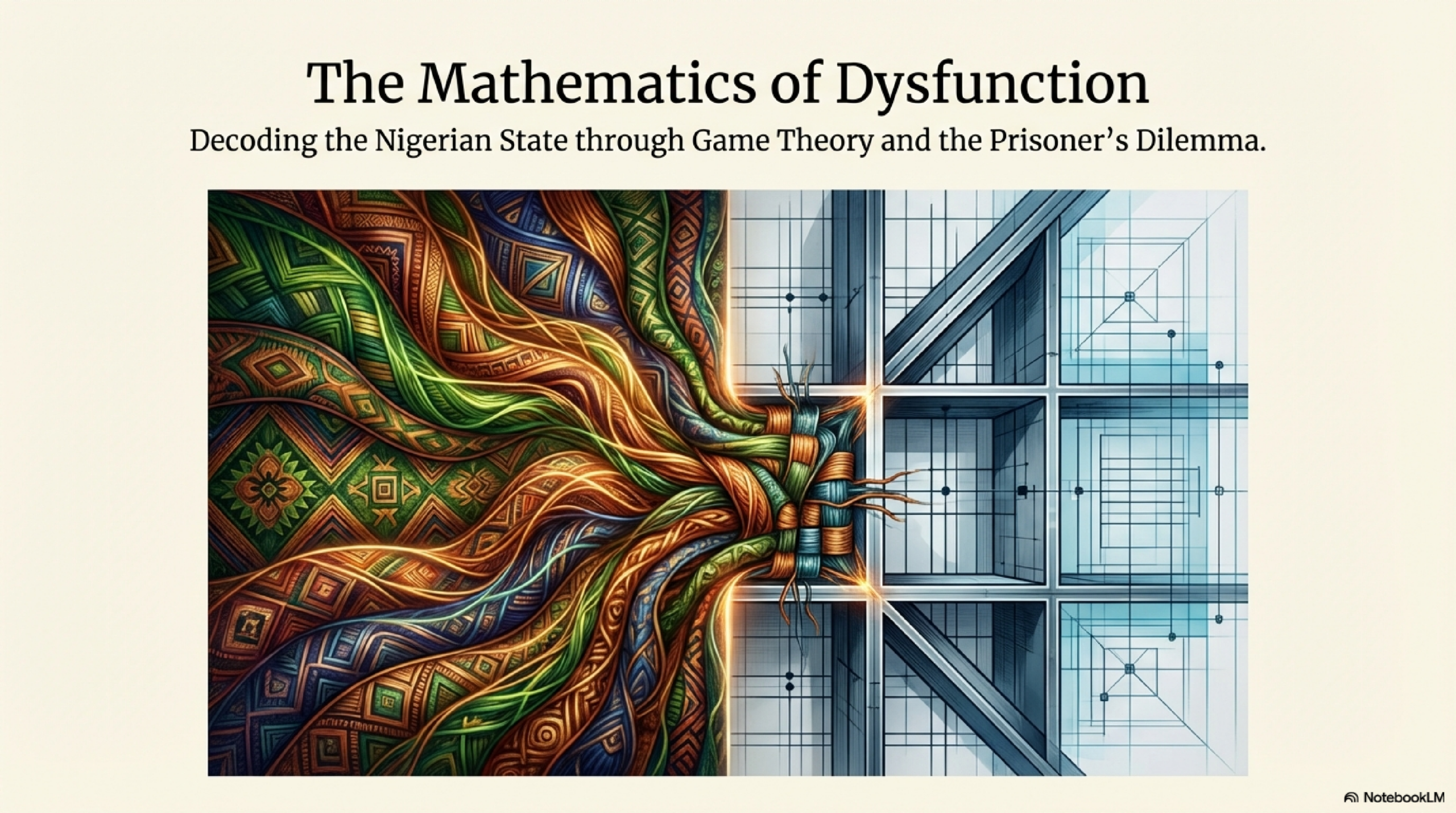
Nigeria presents a staggering paradox that defies conventional developmental logic. On one hand, we see the individual giant: Nigerians are the most highly educated immigrant group in the United States, dominating fields from finance to neurosurgery. Even within the nation’s borders, the sheer competitive productivity of its people has fueled a 6.5% GDP growth since 2005—a feat of collective determination achieved in spite of, not because of, the state.
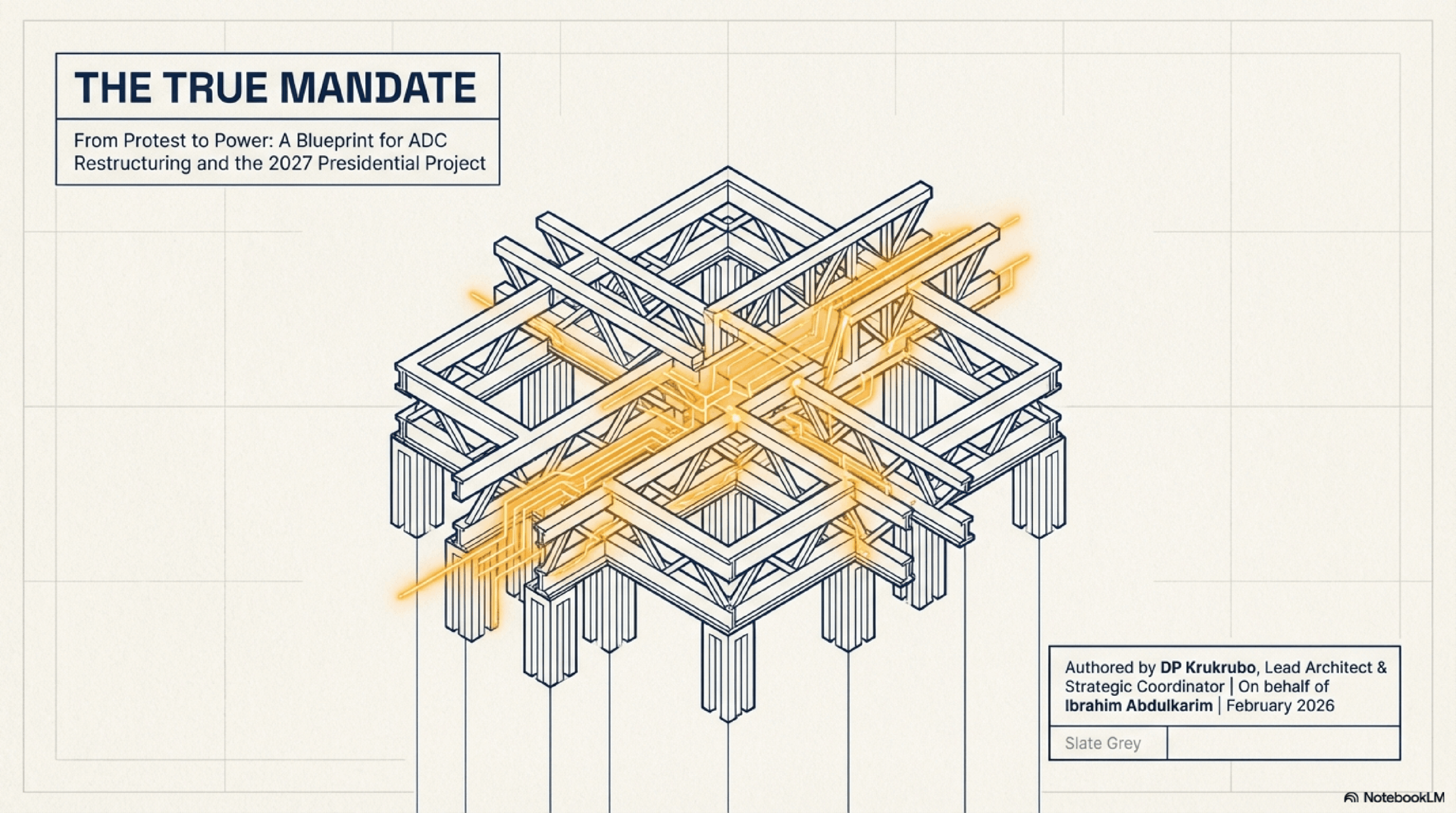
Peter Obi’s next mandate cannot be built on backroom “consensus” deals or hollow party platforms. This piece lays out a concrete ADC reconstruction blueprint—open primaries, 12‑week staggered congresses, local cooperatives, and a three‑branch party structure—designed to dismantle ticket autocracy and activate the 80 percent of dormant Nigerian voters.
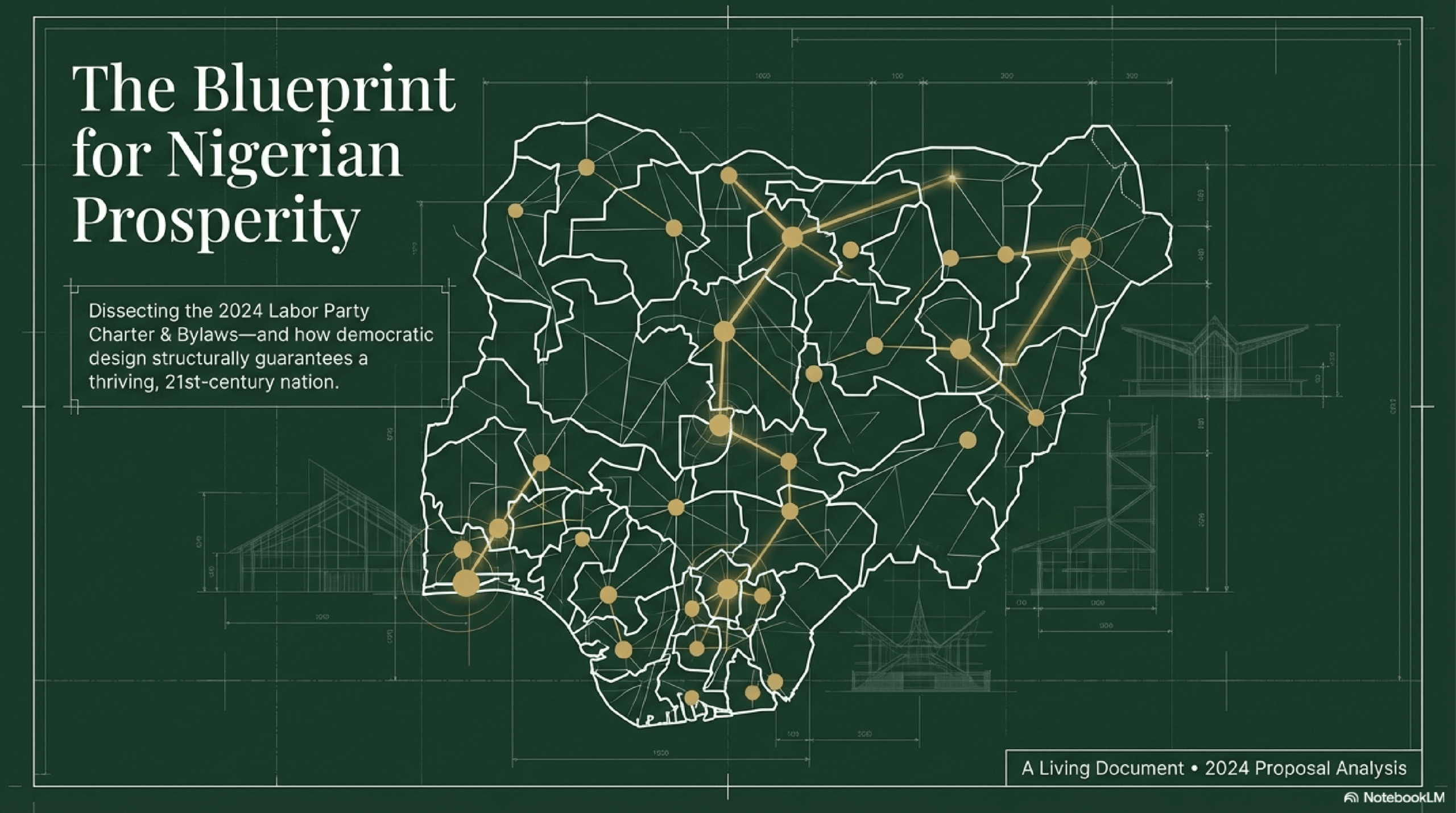
The 2024 Labor Party Bylaws and Charter proposals, authored by DP Krukrubo, represent a technical rescue operation. This is not a mere campaign manifesto; it is a structural roadmap designed to dismantle the “shackles of existing political structures” and replace them with a representative system built on accountability, merit, and the “sacred duty” of serving the public good.
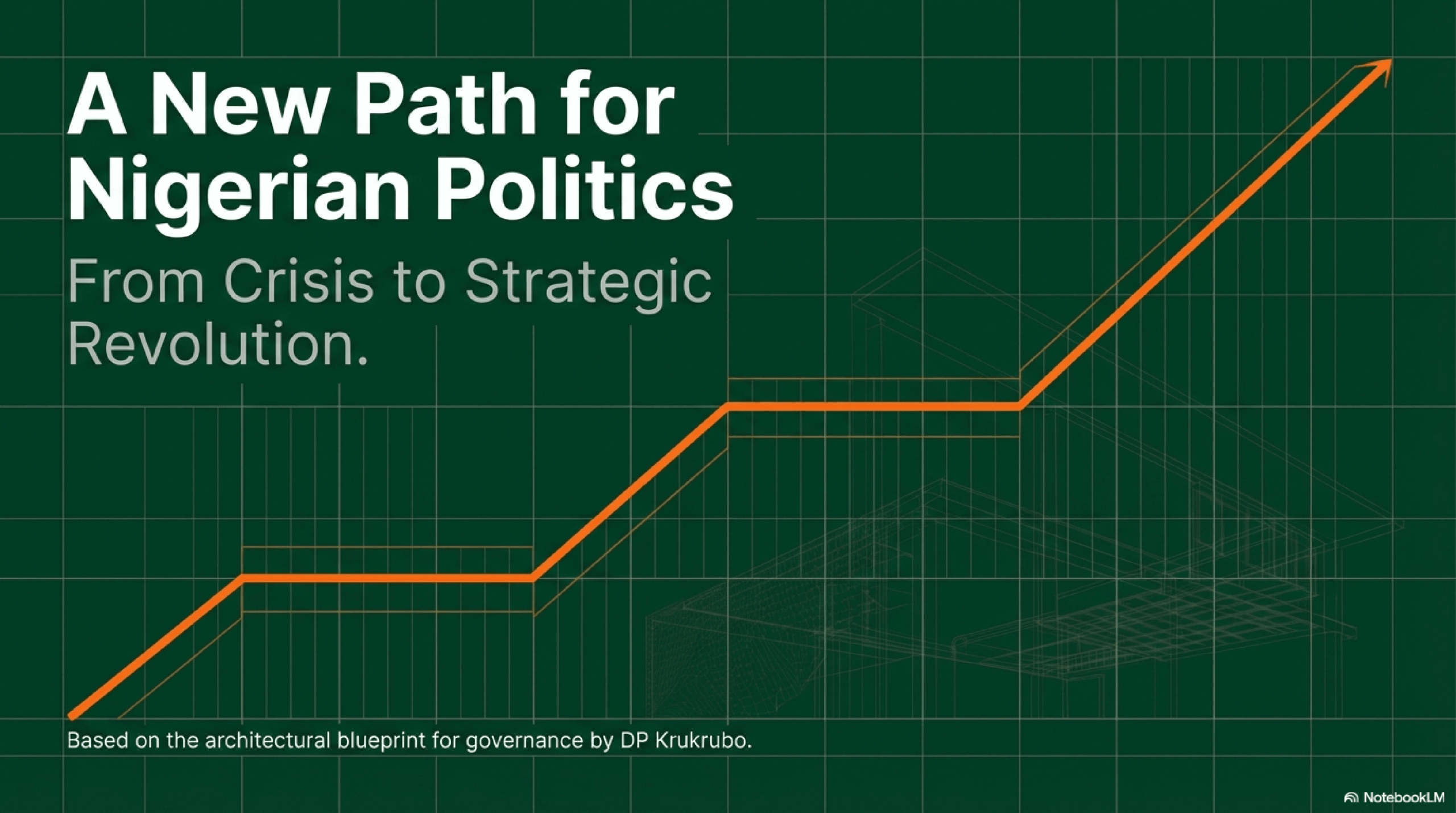
The 2023 election cycle was supposed to be the moment the fever broke. For a fleeting season, the surge of new political movements offered a flicker of hope that the Nigerian system—long defined by organized failure—might finally be disrupted. Yet, that hope has rapidly curdled into a profound disillusionment.
For decades, the narrative of Nigeria’s 4th Republic has been sold as a slow, painful march toward democratic maturity. We are told the system is merely “developing,” a work in progress intended to eventually secure the welfare of the people. But the lived reality—a relentless barrage of calamity, rising debt, and visceral destitution—tells a darker story.
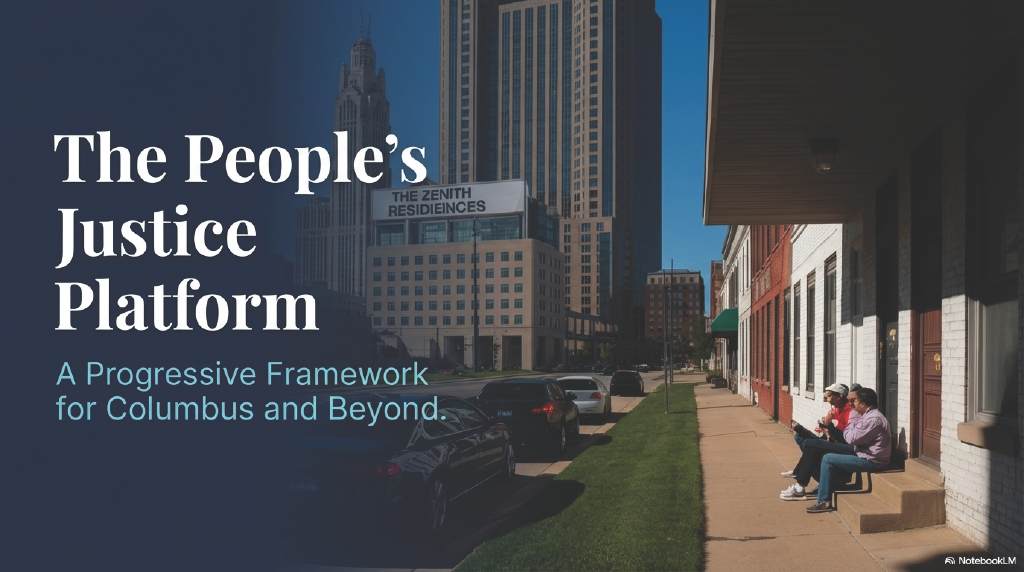
Columbus is booming, but who’s left behind? Dive into The Columbus Paradox: Why Representation Without Accountability Is a Betrayal of the People.